
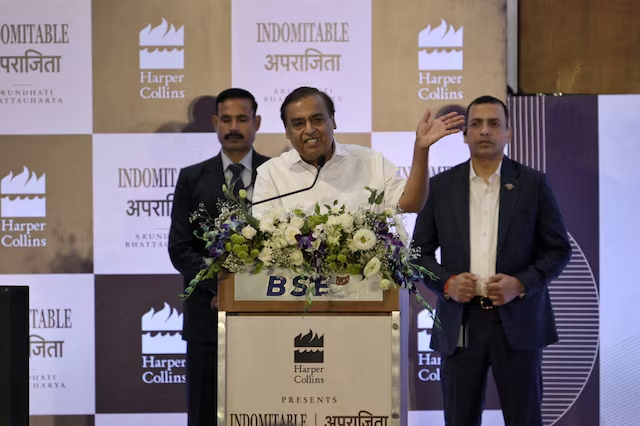
JIO IPO aur Rs 10 lakh crore: Mukesh Ambani ne Dhirubhai ke sapne mein 13 zero jod diye
Jio Platforms apne IPO ke liye subscriptions 21 October se start karega aur 23 October ko conclude hoga. Ye record-breaking IPO ki valuation Rs 10 lakh crore se bhi zyada ja sakti hai. Ye IPO Jio ki broader strategy ka part hai, jiska aim debt kam karna aur corporate goals ko aage badhana hai. Company is phase ko kaise navigate karti hai, uska impact aage kahan jaati hai par padega.
Mukesh ke father Dhirubhai Ambani ki telecom vision ko aksar unke is idea ke through yaad kiya jaata hai ki ek phone call ka cost ek postcard se kam hona chahiye.
Jio ne voice calls free karke aur data ko bahut hi cheap bana kar shuruaat ki thi. Ek decade baad, uski parent digital services company Jio Platforms record-breaking IPO ki taiyari kar rahi hai, jiska valuation Rs 10 lakh crore se bhi zyada ho sakta hai. DRHP jo kal file ki gayi thi, uske according IPO 21 October ko subscription ke liye open hoga aur 23 October ko close hoga. Isne Rs 1,065-1,119 per share ka price band set kiya hai, jo valuation ko lagbhag Rs 10.3 lakh crore, ya takriban $108 billion tak le ja sakta hai. Yeh nearly Rs 30,000 crore raise karne ki taiyari kar raha hai, jo India ka sabse bada IPO ban sakta hai.
Yeh journey dikhati hai ki mass connectivity par ek huge bet ne kaise Indian telecom ko reshape kiya aur digital economy tak access ko widen kiya.
2016 mein, jab Reliance Jio market mein aaya, tab bahut kam logon ne expect kiya tha ki ek newcomer itni jaldi India ke telecom industry ko overturn kar dega. RIL Chairman Mukesh Ambani ne company ke paas paying customer base hone se pehle hi nationwide 4G network build karne ke liye billions of dollars kharch kiye. Uske baad unhone voice calls free kar diye aur data aise prices par offer kiya jo competitors ke liye match karna mushkil tha. 31 March 2026 tak, yeh 268.5 million 5G customers ke saath sabse bada digital connectivity player tha. JioFiber aur JioAirFiber ke across 27.1 million subscribers ke saath, 31 March 2026 tak yeh India ka sabse bada fixed broadband service provider bhi tha.
Telecom ko badal dene wala Rs 25 billion ka bet
Jio ko kisi existing mobile business ko dheere-dheere expand karke nahi banaya gaya tha. Reliance ne September 2016 ke commercial launch se pehle network infrastructure, spectrum aur technology mein estimated $25 billion invest kiye. Strategy yeh thi ki demand se pehle hi capacity build ki jaaye, phir low prices ke through customers ko national scale par attract kiya jaaye.
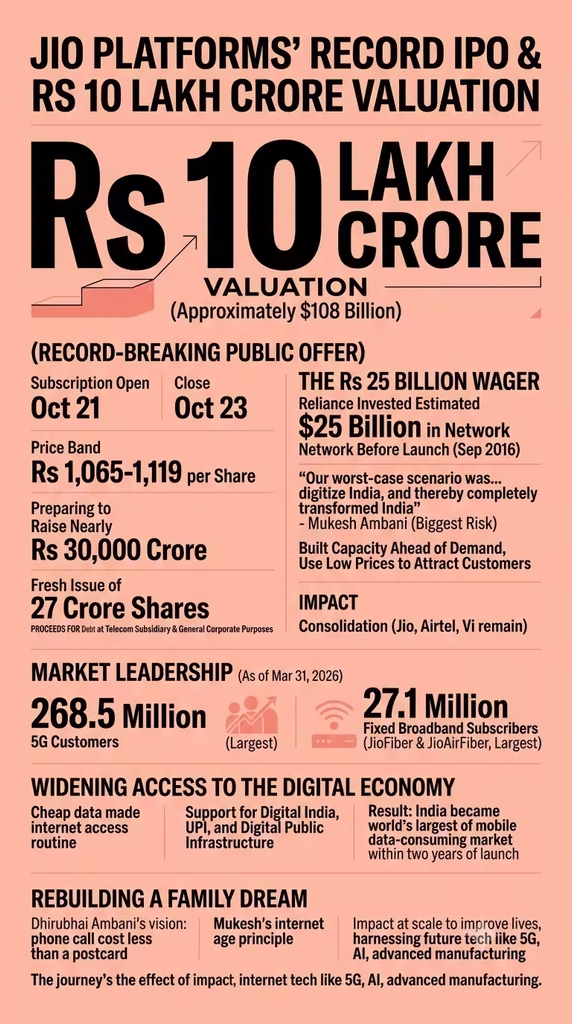
Pichhle saal McKinsey ko diye ek interview mein Ambani ne Jio ko Reliance ka sabse bada risk bataya: “Hum hamesha bade risks lete aaye hain kyunki, hamare liye scale important hai. Ab tak ka sabse bada risk Jio tha. Us time, hum apna khud ka paisa invest kar rahe the, aur main majority shareholder tha.”
Unhone yaad kiya ki kuch analysts ka maanna tha ki India advanced digital technology ke liye ready nahi hai. Unka belief tha ki agar yeh investment attractive financial returns na bhi de, tab bhi yeh desh ko transform kar sakta hai. “Humara worst-case scenario yeh tha ki yeh financially shayad kaam na kare, kyunki kuch analysts ko lagta tha ki India sabse advanced digital technology ke liye ready nahi hai. Lekin maine apne board se kaha, ‘Worst case mein, humein zyada return nahi milega. Koi baat nahi, kyunki yeh hamara apna paisa hai. Lekin phir, Reliance ke roop mein, yeh India mein humari ab tak ki sabse badi philanthropy hogi, kyunki hum India ko digitize kar denge, aur is tarah India ko completely transform kar denge,’ Ambani ne interview mein kaha.
Yeh bet tha ki ek aisa desh jahan mobile users hundreds of millions mein hain, agar connectivity affordable ho jaaye to woh kaafi zyada data consume karega. Customers network ki taraf bhaag pade, jiski wajah se established operators ko tariffs cut karne pade aur apne business models par dobara sochna pada.
Industry baad mein consolidate ho gayi. Kaafi operators exit kar gaye ya merge ho gaye, jisse Jio, Bharti Airtel aur Vodafone Idea principal private-sector mobile operators ke roop mein reh gaye. Consumers ko lower prices ka fayda mila, lekin industry par financial pressure ne consolidation aur job losses mein bhi contribute kiya.
Rs 0 offers se lekar Rs 10 lakh crore valuation tak
Jio ki early pricing ka purpose communication ke cost ko barrier se hataana tha. Uske welcome offers mein customers ko launch ke baad kai mahino tak free voice calls aur kaafi data diya gaya. Promotional offers khatam hone ke baad bhi company ne data ko un prices par bechna continue kiya jo uske entry se pehle prevailing rates se kaafi kam the.
Handset strategy ne bhi similar logic follow kiya. 2017 mein, Reliance ne JioPhone launch kiya, ek 4G-enabled feature phone jo Rs 1,500 ke refundable security deposit ke against effectively zero price par mil sakta tha, scheme ki conditions ke subject to. Iska target un logon ko tha jo conventional smartphone afford nahi kar sakte the, but internet-based services ka access chahte the.
Jo business Jio ke naam se start hua tha, ab Jio Platforms mein transform ho chuka hai, jo telecom business Reliance Jio Infocomm ki holding company hai. Iske paas digital services ka ek wider ecosystem bhi hai. IPO Jio Platforms ke liye hai, telecom operator ki alag listing ke liye nahi. Iska business mobile connectivity se aage badhkar home broadband, enterprise services aur digital applications tak expand ho chuka hai.
IPO mein 27 crore shares ka fresh issue shaamil hai, jiske proceeds ka ek hissa telecom subsidiary ka debt reduce karne ke liye aur ek hissa general corporate purposes ke liye use kiya jayega.
Isliye valuation sirf saste mein data de dene ka reward nahi hai. Investors ek bade customer base, extensive network infrastructure, recurring telecom revenues aur existing users ko aur services sell karne ki potential ko value kar rahe hain.
Creadit: ET Now
Digital economy ka missing link
Jio ka bigger impact shayad is baat mein hai ki usne kaise internet access ko har income group ke liye routine bana diya. Cheap data ne users ke liye videos dekhna, government services access karna, online seekhna aur digital payments use karna practical bana diya, bina data consumption ko lekar constantly tension liye.
Government ka Digital India programme 2015 mein shuru hua tha, Jio ke commercial launch se pehle. Direct benefit transfers aur Aadhaar-based systems pehle se develop ho rahe the, jabki Unified Payments Interface (UPI) 2016 mein launch hui. Jio ki aggressive pricing ne definitely un logon ka pool expand karne mein help ki jo mobile networks ke through digital services use kar sakte the.
Digital public infrastructure, bank accounts, smartphone availability, merchant adoption aur government policy – ye sab India ki digital economy ki growth ke liye zaroori the. Jio ka contribution tha connectivity ko kaafi sasta aur zyada widespread banana, jisse ye systems un users tak pahunch sake jo warna margins par hi reh jaate.
Iske effects mobile broadband consumption mein clearly dikhai diye. Jio ke launch ke do saal ke andar hi, India duniya ka sabse bada mobile data-consuming market ban gaya tha. Saste data ke spread ne online video, digital commerce aur app-based services ke rapid adoption ke liye bhi favourable conditions create ki.
Ab wahi network ek kaafi zyada sophisticated digital economy ko support karta hai, compared to the one Jio entered in 2016. Agla challenge hai is reach ko higher-value services mein convert karna, saath hi 5G, broadband aur enterprise technology mein investment continue karna.
Ek family ka dream, digital age ke liye dobara banaya gaya
Mukesh ke father Dhirubhai Ambani ki telecom vision ko aksar is idea ke through yaad kiya jata hai ki ek phone call ka kharcha postcard se bhi kam hona chahiye. Dhirubhai ki asli ambition yeh thi ki communication koi luxury na ho jo sirf affluent Indians ke liye reserved ho.
Mukesh Ambani ne us principle ko internet age mein aage badhaya. Unka offer sirf sasti calls tak limited nahi tha, balki usmein mobile data bhi shamil tha aur JioPhone ke through 4G connectivity ka ek low-cost route bhi diya gaya. Is commercial model ka base tha bahut bada upfront investment aur yeh expectation ki ek bahut bada customer base eventually ek profitable business ko support karega.
Ambani ne technology ownership ko bhi Reliance ke future ka central part bataya hai. Pichhle saal McKinsey se baat karte hue unhone kaha: “Hum aisa impact create karna chahte hain jo scale par ho aur sabhi Indians ki zindagi behtar banaye. Isliye future ke businesses ko future ki technologies ko effectively harness karne mein achha hona padega. Toh hamara North Star hamesha yahi raha hai ki business karne ka hamara vision aur purpose impact-led hona chahiye.”
Yeh ambition ab telecom se aage badhkar 5G, artificial intelligence aur advanced manufacturing tak pahunch chuki hai. Lekin Jio ab bhi is strategy ka sabse clear example hai – heavy investment karna, ek critical service ko affordable banana, aur full financial returns dikhne se pehle scale build karna.
Ek effective zero-cost handset offer se lekar Rs 10 lakh crore se zyada ki prospective valuation tak ka safar us business ka financial outcome hai, jisne hundreds of millions of Indians ke world se connect hone ka tareeka badal diya. Jio apni growth ko sustain kar paata hai ya nahi aur apni IPO valuation ko justify kar paata hai ya nahi, yeh is baat par depend karega ki woh aage kya karta hai. Mobile internet ko mass-market service banane mein uski role pehle hi India ki digital transformation ki kahani ka central part hai.
(Business News, Breaking News aur Latest News Updates ke liye The Economic Times ko follow karein.)